By the late 20th century, the Eastern Cape had lost most of what had made it one of southern Africa’s richest wildlife regions. Centuries of agriculture had displaced the animals, altered the vegetation and changed the land. In 1990, the work of restoring it began.
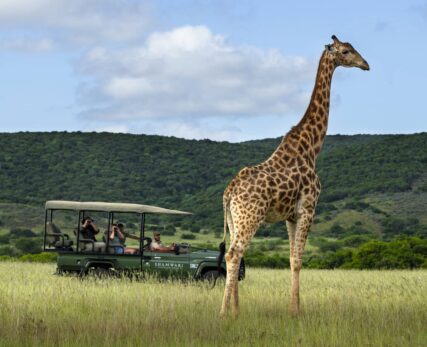
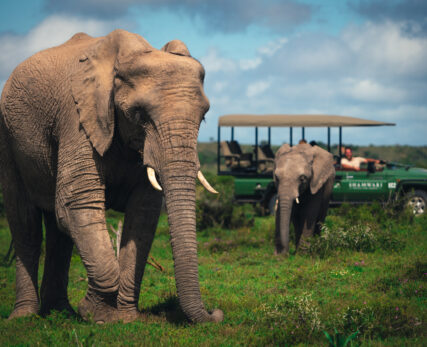
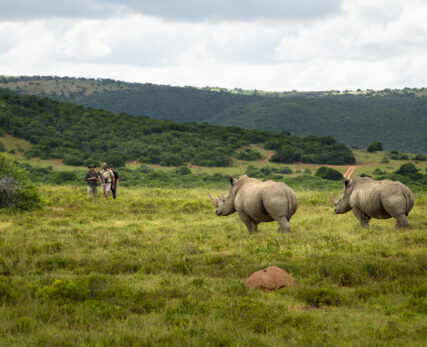
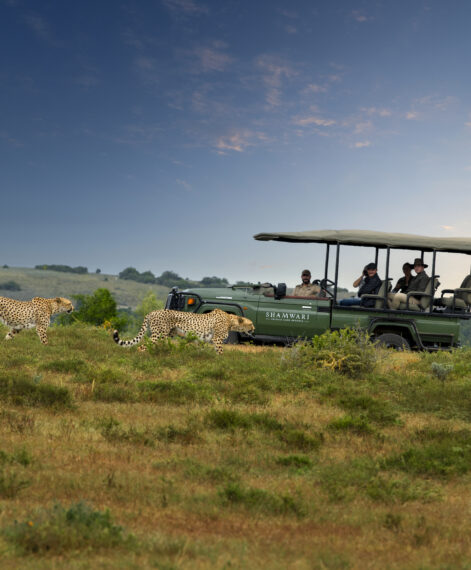
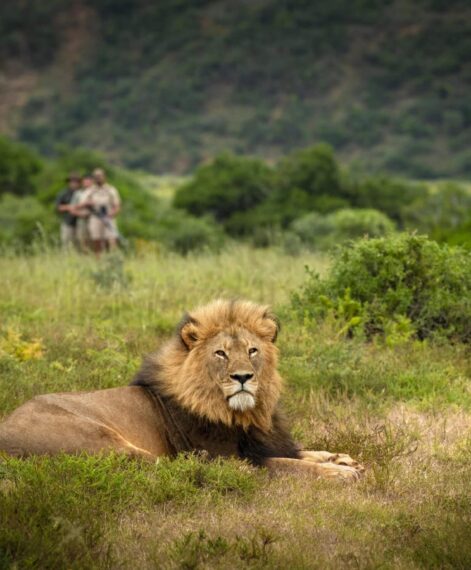
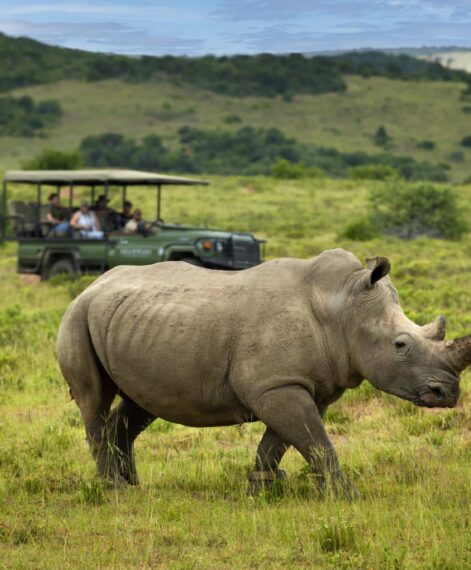
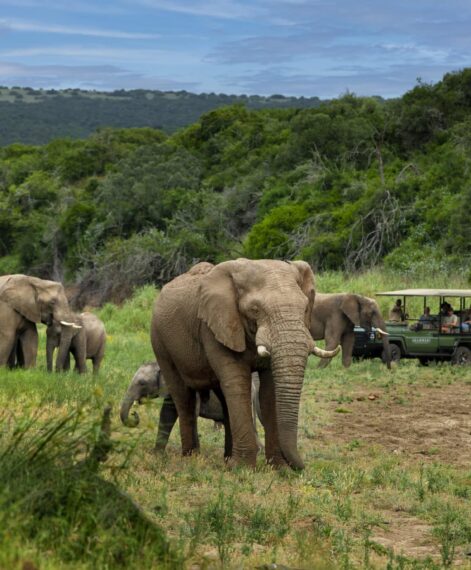
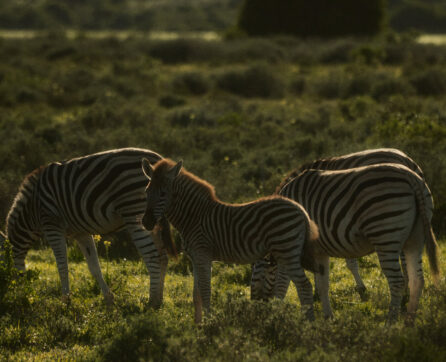
Elephant, white rhino and hippo were reintroduced in 1992. As the large herbivores moved through what had been cultivated fields, they began reshaping the land as they always had: turning soil, dispersing seeds and clearing paths. Black rhino and buffalo followed in 1993. Cheetah, lion and brown hyena arrived in 2000. Serval and leopard the year after.
In 2001, Shamwari became the first Big Five game reserve in the Eastern Cape. Eight years earlier, most had considered it impossible.
Not everything went smoothly. When oxpeckers were introduced from the Kruger National Park, they landed on Shamwari’s rhinos, animals that had never experienced birds picking ticks from their hides. The rhinos stampeded. The oxpeckers flew. It appeared to have failed. Some time later, juvenile oxpeckers were spotted in the reserve. The rhinos had adapted. The birds had stayed and were breeding.
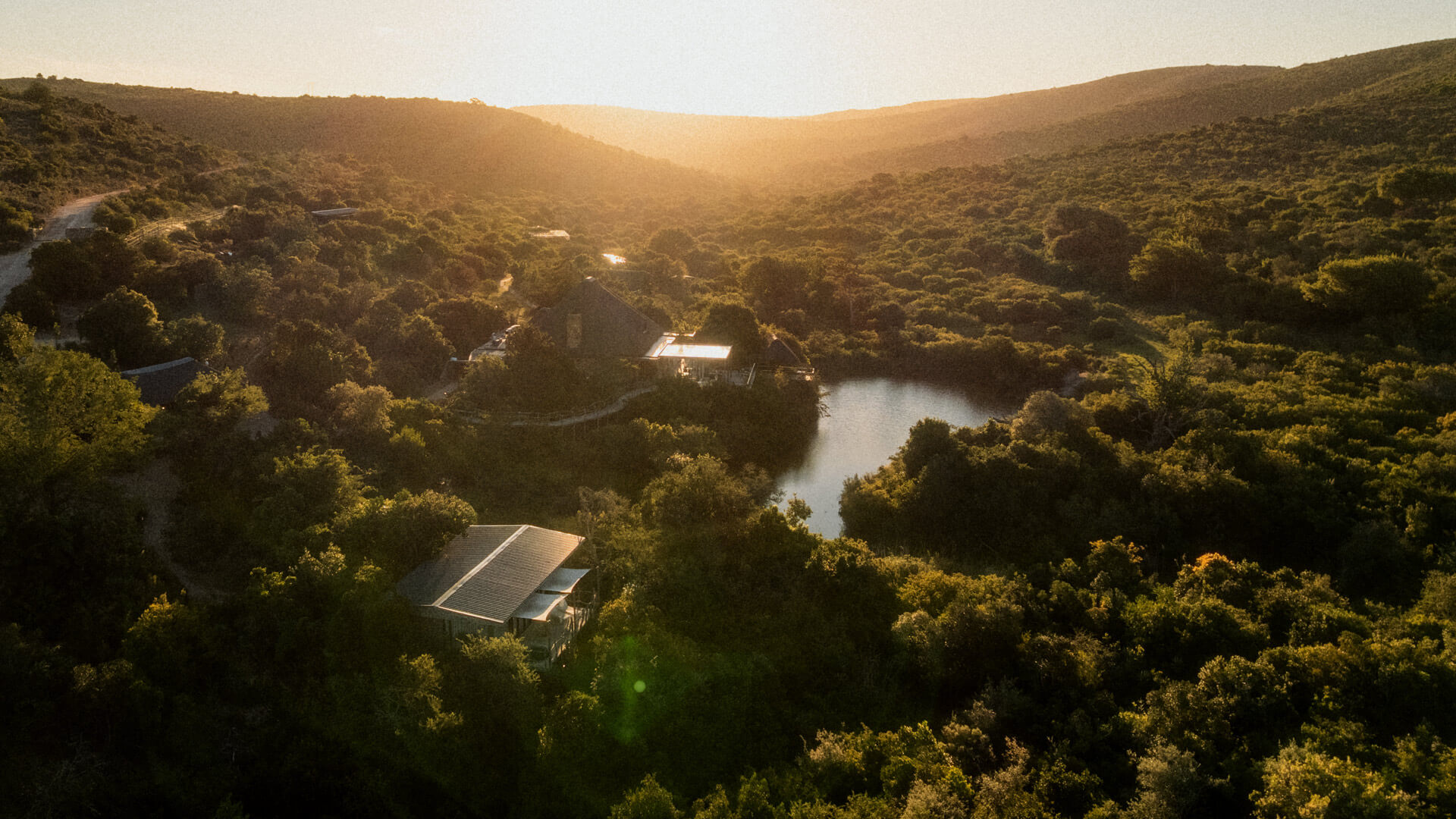
That pattern, challenge, perseverance, adaptation shaped how Shamwari grew and how it continues to operate today. Now part of Kerzner International’s Rare Finds Resorts, Shamwari promises an authentic safari experience, rooted in a deep sense of place.